match des 4 nations
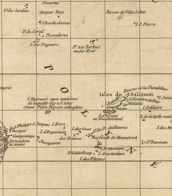
![[VIEILH DE VARENNES, Raymond-Augustin (fl. c. 1790) Jean-Michel MOREAU (1741–1814)]](/assets/image/picture_2943505/fd768/abf0e404e7daa93bfaeacc83883ab1631689199200jpg__fix_374_244.jpeg)
![[VIEILH DE VARENNES, Raymond-Augustin (fl. c. 1790) Jean-Michel MOREAU (1741–1814)]](https://veryimportantlot.com/assets/image/picture_2943505/fd768/abf0e404e7daa93bfaeacc83883ab1631689199200jpg__fix_374_244.jpeg)
![[VIEILH DE VARENNES, Raymond-Augustin (fl. c. 1790) Jean-Michel MOREAU (1741–1814)]](/assets/image/picture_3615552/96cab/d9a9a9b26b2aad77d2e293aeae2975f41702422000jpg__fix_374_244.jpeg)
![[VIEILH DE VARENNES, Raymond-Augustin (fl. c. 1790) Jean-Michel MOREAU (1741–1814)]](https://veryimportantlot.com/assets/image/picture_3615552/96cab/d9a9a9b26b2aad77d2e293aeae2975f41702422000jpg__fix_374_244.jpeg)



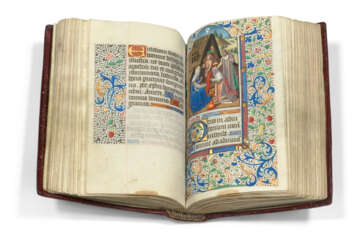

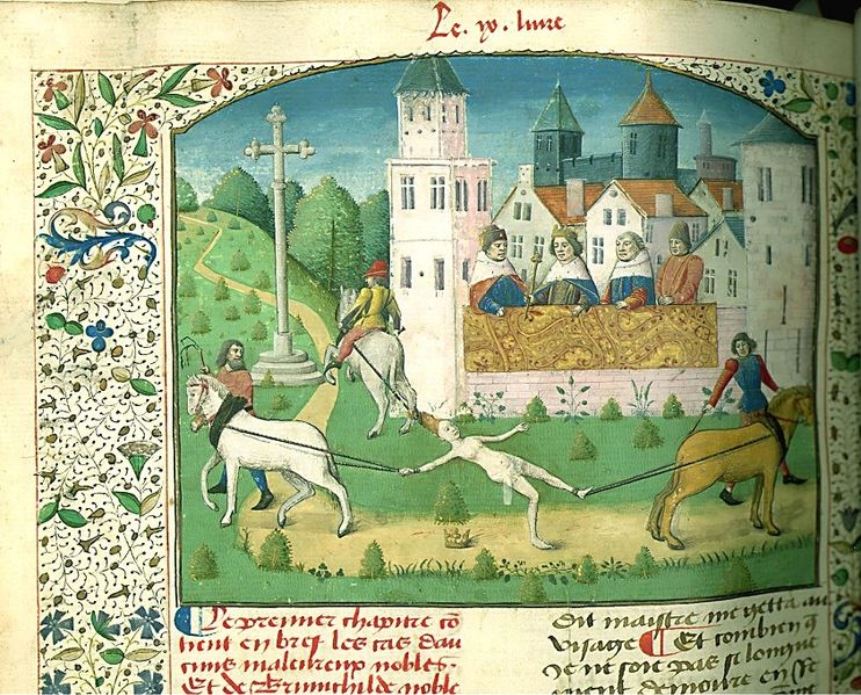
Maître François was a French illustrator who worked in Paris in the 1460s-1480s.
The identity of Maître François as an artist is first mentioned in a letter written by Robert Gauguin in 1473. Most of the prestigious commissions from the court and leading ecclesiastical figures of the time were carried out in François' studio. In Paris in the second half of the fifteenth century, one can trace the predominant style of illumination by the works of Master Jean Rolin, Maître François, and Master Jacques de Besançon. Bibliophiles close to the royal court encouraged the work of miniaturists through private commissions. In particular, Jacques d'Armagnac owned six manuscripts of Maitre Francois and his entourage.
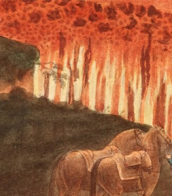
Boccaccio's De casibus virorum illustrium was very popular in the 15th century, where the author retells the fates and downfalls of famous personalities from the Bible, antiquity and medieval history, ending with Boccaccio's own contemporaries in 14th-century Florence. For a long time this book was even more famous and successful than Boccaccio's Decameron. The text was translated into French in 1409 for Jean, Duke de Berry, by his secretary Laurent Premieffe. And the illustrations for the book were later created in the workshop of the then respected Maître François.








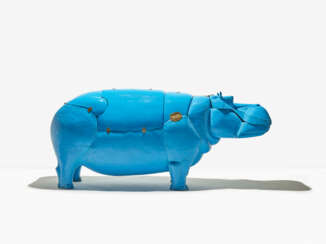

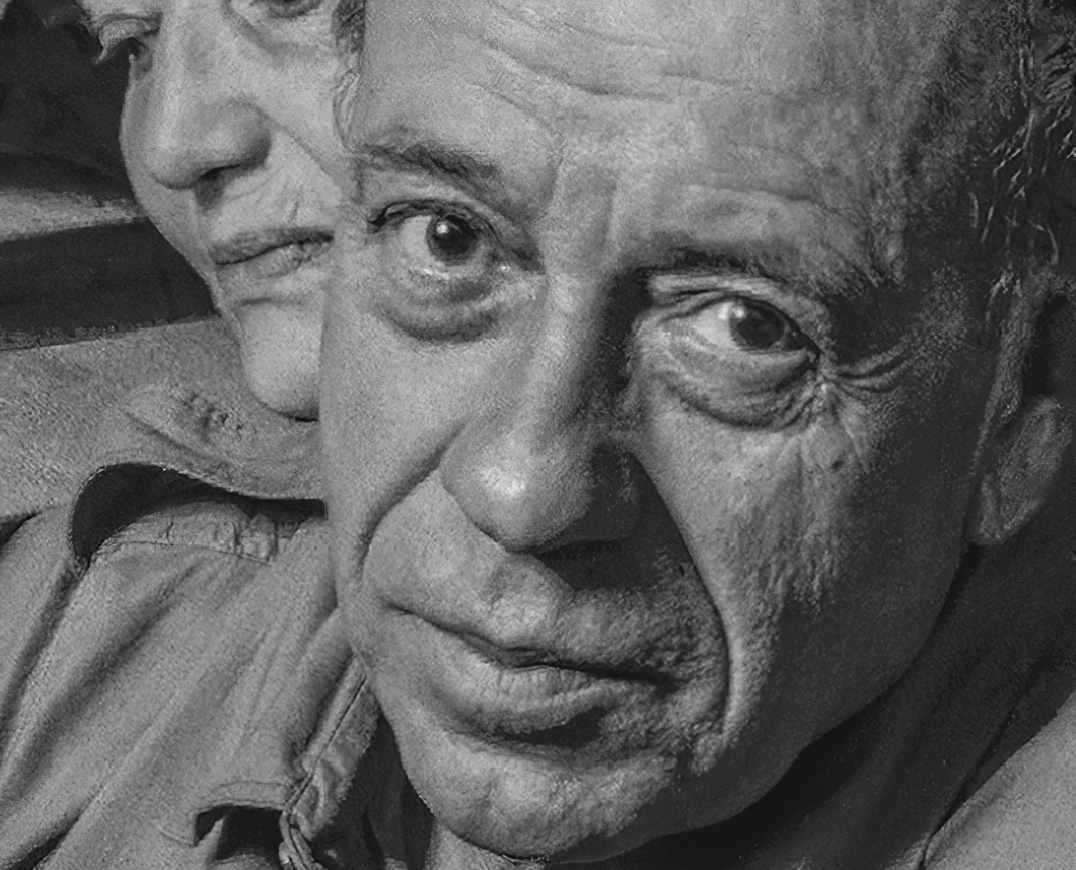
François-Xavier Lalanne was a French painter and sculptor. He studied sculpture, drawing and painting at the Académie Julian. Since the 1960s he has worked as a couple with his wife Claude Lalanne.


.jpg)
René Magritte, a Belgian artist, was renowned for his significant contributions to the Surrealist movement. His art, known for merging ordinary objects with bizarre, dream-like contexts, captivated the art world. Born on November 21, 1898, in Lessines, Belgium, Magritte's early artistic pursuits were impressionistic, transitioning through Cubism and Futurism influenced by artists like Jean Metzinger. However, his encounter with Giorgio de Chirico's work in 1922 steered him towards Surrealism.
Magritte's career was marked by various phases, each showcasing his evolving style and thematic focus. His initial foray into Surrealism began in 1926 with "The Lost Jockey" and was further solidified during his time in Paris, where he mingled with other prominent Surrealists like André Breton. Despite facing initial criticism and financial challenges, Magritte's unique blend of familiar imagery in unfamiliar contexts, like in "The Empire of Light" and "Time Transfixed," earned him acclaim.
Magritte's distinct visual language, characterized by recurring motifs like bowler hats and apples, and his exploration of reality and illusion, remain influential. His works are displayed in major galleries worldwide, continuing to inspire and intrigue art collectors and enthusiasts.
For collectors and experts in art and antiques, staying informed about Magritte's works and related auction events is crucial. Signing up for updates ensures you're alerted to new sales and events focusing on René Magritte's art, offering unique opportunities to acquire or learn more about his remarkable creations. This subscription will exclusively cover new product sales and auction events related to Magritte, keeping you updated on the most relevant information in the art world.



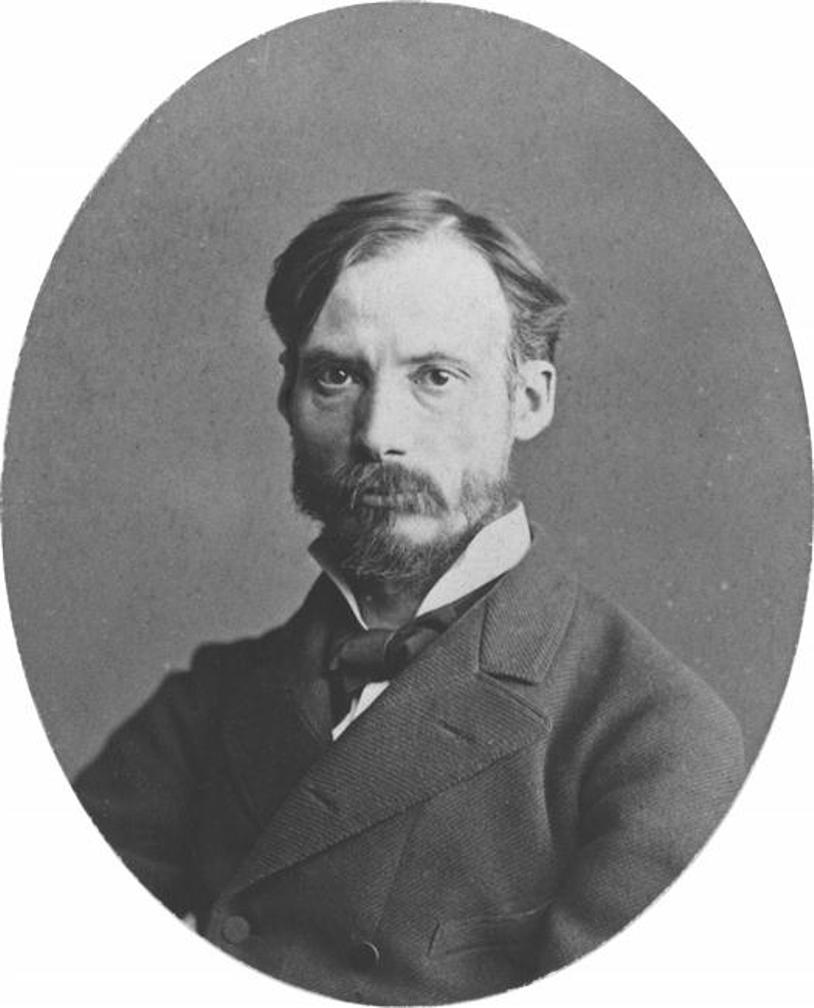
Pierre-Auguste Renoir was a French artist, celebrated as a pivotal figure in the development of the Impressionist movement. Born in Limoges, France, in 1841, Renoir's early experiences in Paris and his apprenticeship as a porcelain painter laid the foundation for his illustrious career in art. His transition to painting was marked by an early fascination with the play of light and color, which became a hallmark of his work. Renoir's paintings are renowned for their vibrant light and saturated color, often focusing on people in intimate and candid compositions. This focus on beauty and a particular affinity for capturing the sensuality of the female form distinguished his work from his contemporaries.
Renoir's contributions to Impressionism were significant, characterized by his use of bright colors and a technique that captured the movement and luminosity of the scene. His evolution as an artist saw him experimenting with a more linear and classical style, especially after his travels to Italy, where he was deeply influenced by the Renaissance masters. Despite facing personal challenges, including severe rheumatoid arthritis in his later years, Renoir's passion for painting never waned. His determination saw him adapting his painting technique to his physical limitations, ensuring that his creative output remained prolific until his death in 1919.
Among Renoir's notable works are "Bal du moulin de la Galette" (1876), "Luncheon of the Boating Party" (1880), and "Girls at the Piano" (1892). These masterpieces exemplify the essence of Impressionist art with their depiction of light, movement, and everyday life. Renoir's works are housed in prestigious museums around the world, serving as a testament to his enduring legacy in the realm of art.
For art collectors and experts, Renoir's oeuvre represents an essential segment of the Impressionist movement, offering insights into the evolution of modern art. His mastery in portraying the beauty of the moment and the depth of human emotion continues to captivate and inspire audiences worldwide.
If you are passionate about collecting or studying the works of Pierre-Auguste Renoir, we invite you to sign up for updates on new product sales and auction events related to this iconic artist. Stay informed about the opportunity to own a piece of art history and deepen your appreciation for the rich tapestry of culture and art that Renoir helped weave.
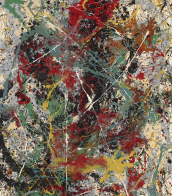


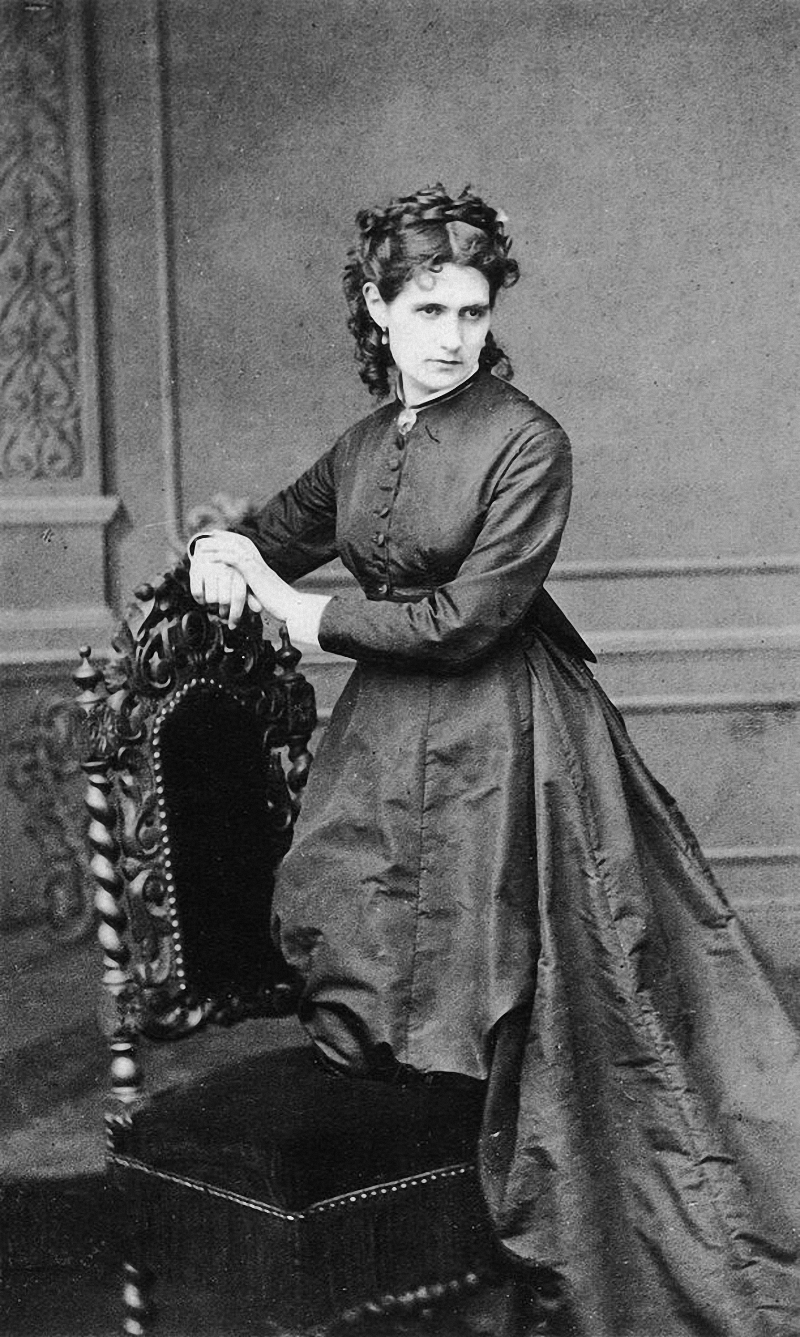
Berthe Morisot was a French painter, renowned for her pivotal role in the Impressionist movement. Born into an affluent family in 1841, Morisot's upbringing was steeped in culture, and she received a comprehensive art education alongside her sisters. Despite societal constraints, she pursued a career in art, initially exhibiting at Paris' salons before transitioning to the more avant-garde Impressionist exhibitions.
Berthe Morisot's artistry is characterized by a unique blend of color, light, and texture, embodying a distinctly "feminine" style that garnered admiration from her peers and critics alike. Her works, such as "The Cradle" and "Hanging the Laundry out to Dry," showcase her ability to capture the ephemeral qualities of everyday life with a tender and nuanced touch. Morisot's palette, dominated by pastel tones and an interplay of light, lends her paintings an ethereal quality, while her brushwork reflects a freedom and delicacy that became her signature.
Throughout her career, Berthe Morisot's evolving style reflected broader artistic trends, integrating influences from photography and Japanese prints. Yet, she remained faithful to the Impressionist ethos, capturing the transient moments of life with grace and sensitivity. Today, her works are celebrated in museums like the Musée d'Orsay, testament to her enduring influence in the realm of art and culture.
As we remember Berthe Morisot, her legacy continues to inspire art collectors and enthusiasts, reminding us of the profound impact one individual can have on the course of art history. For those captivated by Berthe Morisot's contribution to art and culture, we invite you to sign up for updates on upcoming sales and auction events featuring her works. Join us in celebrating the timeless beauty and historical significance of Morisot's artistry.

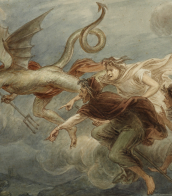

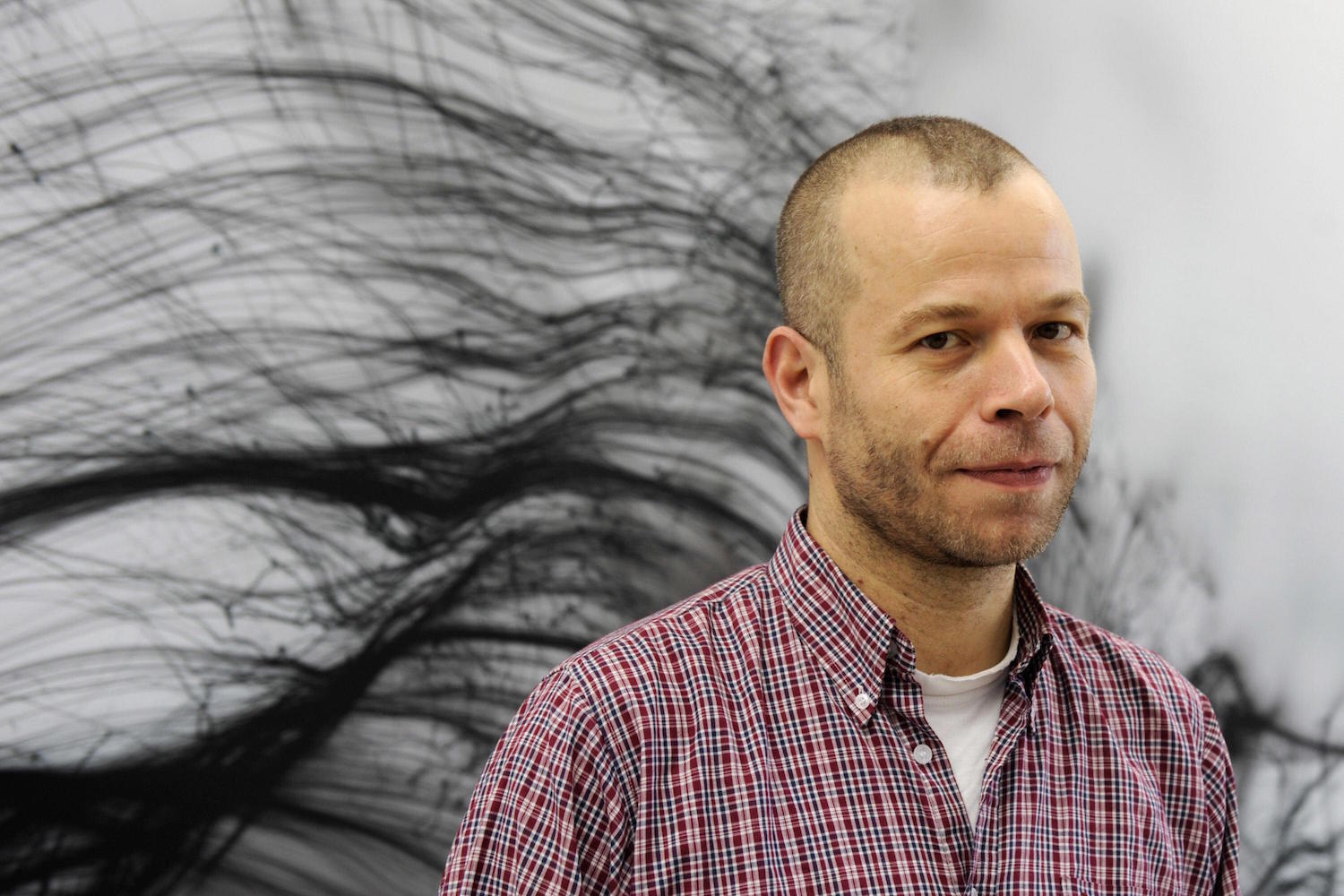
Wolfgang Tillmans is a German photographer. His diverse body of work is distinguished by observation of his surroundings and an ongoing investigation of the photographic medium’s foundations.
Tillmans was the first photographer – and also the first non-British person – to be awarded the Tate annual Turner Prize. He has also been awarded the Hasselblad Award, the Royal Photographic Society's Centenary Medal, the Royal Academy Summer Exhibition's Charles Wollaston Award, The Culture Prize of the German Society for Photography, and is an Academician of the Royal Academy of Arts, London.



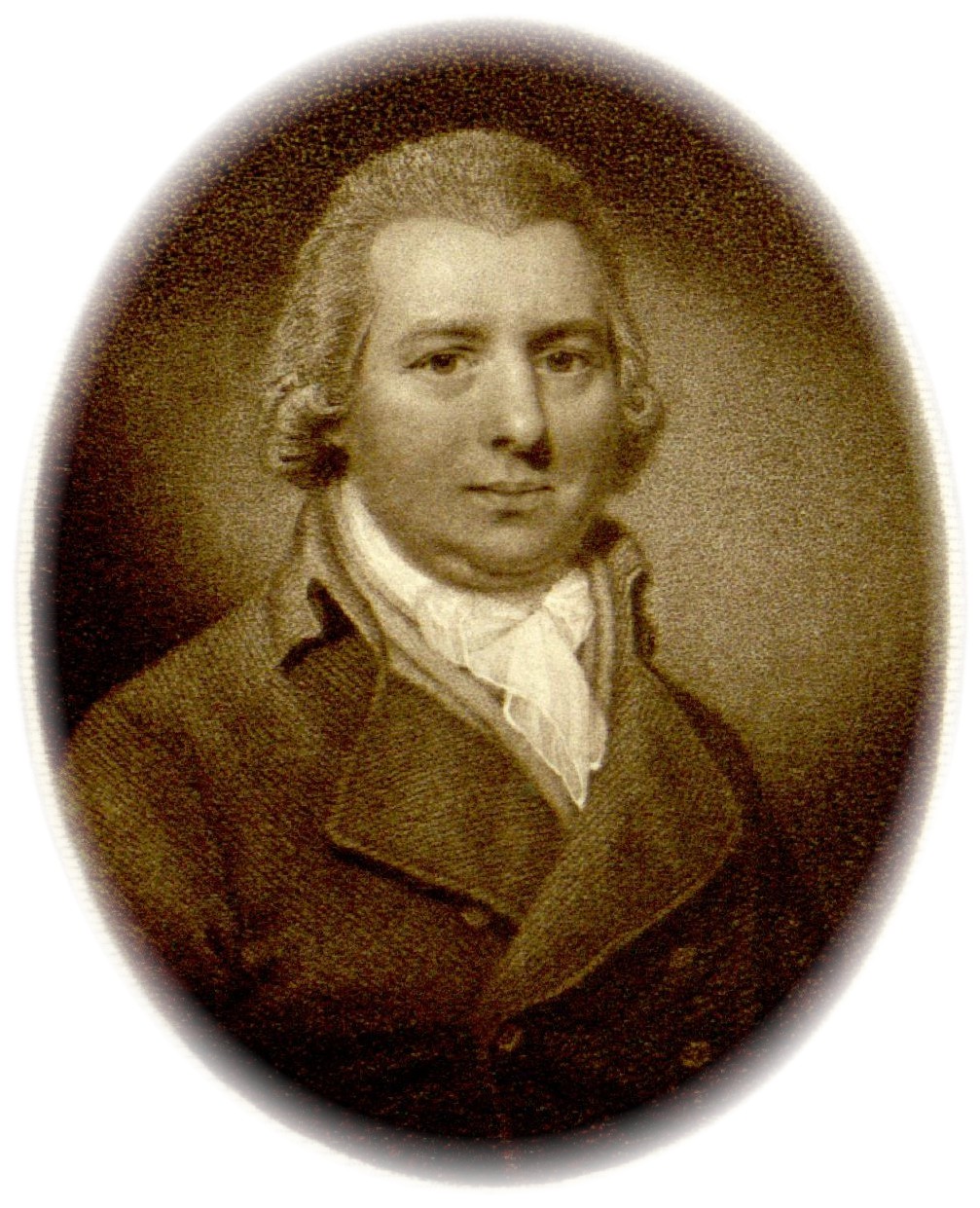
William Curtis was a British botanist and entomologist, editor of the oldest botanical publication in Great Britain.
Curtis became interested in natural history in his youth, and at the age of 25 had already published "Instructions for the Collection and Preservation of Insects", particularly butterflies. In 1779 he founded his own London botanical garden at Lambeth and published Flora Londinensis (1777-1798), a 6-volume work on urban nature.
In 1787 Curtis began publishing the later popular Botanical Magazine, which also featured hand-colored plates by artists. This magazine has changed its name several times over time, but is still continued by the Royal Botanic Gardens, Kew, as a publication for those interested in horticulture, ecology or botanical illustration. Interestingly, the magazine was entirely hand-colored until 1948.